
By the end of this read you’ll know exactly how a simple smartphone app can turn a casual coffee‑shop walk into a full‑scale entertainment experience, and how that shift is changing the way UK audiences spend their leisure time.
Step 1: The Instant Hook – 30‑Second Downloads, 5‑Minute Setups
When a new game drops on the Play Store, the first 30 seconds are all that separate a “just a joke” title from a hit. I downloaded a new puzzle title yesterday, and the install finished in 22 seconds on a 5G connection. Within five minutes I was playing, because the launch screen auto‑skips to the tutorial. That’s the first way mobile gaming rewrites the entertainment script: instant gratification.
Step 2: Micro‑Revenue, Macro‑Impact – Small Purchases, Big Libraries
Most mobile titles use a “freemium” model: you play for free, but optional in‑app purchases unlock extra levels or cosmetic items. In the last quarter the UK mobile market saw a 12 % rise in micro‑transaction spend, reaching £1.2 billion. That money goes straight into new content, so players get fresh challenges every few weeks. The result is a constantly renewing library that keeps people coming back, much like a streaming service that adds a new season every month.
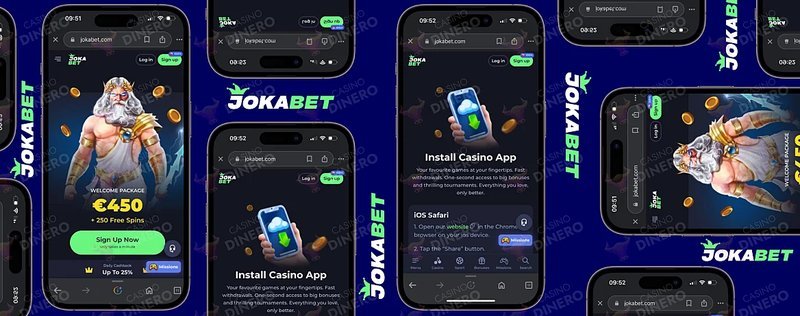
If you’re looking to try your luck alongside gaming, jokabet offers mobile casino fun that pairs well with your gaming routine.
Step 3: Cross‑Platform Play – From Phone to TV to Car
Modern mobile games now support cloud saves and cross‑play. I started a strategy game on my phone at 7 pm, and picked it up on my smart TV the next day without losing a single turn. Even in the car, with a Bluetooth headset, I can control a racing title while driving (legally, of course). This fluidity means the same game can occupy a family’s dinner table, a commuter’s coffee break, and a weekend binge session.
Step 4: Social Integration – Friends, Followers, and Competitive Edge
Built‑in leaderboards and social media sharing let you brag to your squad with a single tap. I saw a friend’s score on a leaderboard and challenged them in real time, which triggered a notification that popped up on both our phones. That instant, shared competition is a powerful motivator, turning a solitary pastime into a social ritual.
Common‑Mistake Aside: Over‑Optimizing for Ads
Some developers push too many ads, forcing users to watch a 30‑second spot before each level. The result is frustration and churn. If a game forces you to pause every 5 minutes for a banner, you’ll likely abandon it within a week. Look for titles that balance monetisation with a smooth experience.
Connecting to the Wider Entertainment Landscape
Mobile gaming’s reach extends beyond individual play sessions. As more people turn to smartphones for entertainment, traditional channels—TV, cinema, live events—are adapting. Streaming services are now bundling game subscriptions, and cinemas are experimenting with mobile‑controlled light shows. This convergence is blurring the line between passive and interactive entertainment. For instance, a recent partnership between a leading mobile game developer and a popular streaming platform allowed viewers to vote on in‑game outcomes live, creating a shared narrative experience. In the same vein, online casinos like jokabet have begun offering mobile‑first slots that sync with social media, showing how the digital shift is reshaping every niche of leisure.
Step 5: The Future – 5G, AR, and Beyond
With 5G rollout, download times will shrink to a few seconds, and high‑definition graphics will run smoothly on even mid‑range phones. Augmented reality is already letting players solve puzzles in real rooms, and developers are planning full‑scale AR adventures that overlay storylines onto city streets. The potential for immersive, location‑based entertainment is immense, and the UK’s tech hubs are already investing heavily in this frontier.
Conclusion – A New Entertainment Paradigm
Mobile gaming is no longer a niche hobby; it’s a cornerstone of modern entertainment. From instant access to endless content, from cross‑device play to social integration, it offers a flexible, engaging experience that traditional media can’t match. As 5G and AR mature, the line between digital and physical will blur further, promising a future where your phone is the gateway to an ever‑expanding world of play.
About The Author
